
ERROR: Invalid password reset link.
Refreshingly Different: Flying High With RapidSky
At RapidSky, we’re revitalizing the aviation industry by combining innovation, technology, and passion to create seamless, efficient, and rewarding experiences for our clients. Guided by the passionate principle of finding smarter ways to aviate, communicate, and navigate, RapidSky delivers innovative solutions that address the diverse needs of the aviation sector.

.
Who We Are
RapidSky is primarily a technology-driven company with a deep-rooted passion for general aviation. Founded by Herby Olschewski, an aviator with decades of experience in both aviation and technology, RapidSky bridges the gap between these two busy worlds. Our mission is simple: to modernize and improve the aviation experience while making it more accessible and sustainable. We understand that flying can be an expensive endeavour. To address this, we adopted a revenue-sharing business model that helps our clients generate residual income, ensuring they can keep their engines running and their dreams soaring. We explore the bleeding edge of general aviation technology, which enables our clients to focus on their passion and business, while we handle all the complexities. Time is money, and mistakes cost even more.
Our Mission
RapidSky finds the smartest way from A to Z. This guiding principle is present in every aspect of our operations, from consulting, to the development of innovative aviation solutions. At RapidSky, the customer always comes first. We are dedicated to addressing inefficiencies in the aviation industry, such as outdated IT systems, supply chain delays, and insufficient customer-centric services, to create a seamless and rewarding experience for all. It’s all about good service.
What We Do
RapidSky offers a wide range of aviation solutions, products, and services designed to cater to the diverse needs of our clients. Our general expertise spans modern engines, fixed-wing aircraft, versatile amphibians, innovative helicopters, safe gyrocraft, gliders, futuristic eVTOLs, private jets, jet airliners, flight training, and modern avionics. Additionally, we provide essential infrastructure solutions and a trusted online marketplace for buying, selling, and connecting with the aviation community. We thrive on researching and perfecting safe, practical, and innovative solutions that deliver real-world results. We prioritize practicality, efficiency, and affordability in everything we do. Our solutions are guaranteed.
– General Consulting
Our services go beyond conventional consulting, offering actionable insights gained from real-world experience. We empower clients to navigate challenges, avoid common pitfalls, and achieve their aviation goals efficiently. To ensure focused engagements, we charge nominal consulting fees, which are credited back when clients proceed with our solutions. This approach reflects our commitment to fostering meaningful partnerships. Long term thinking is key.
– Aviation Solutions
We specialize in tailored aviation solutions that align with diverse needs and objectives. All our recommendations are thoroughly tested, reliable, and cost-effective, ensuring maximum value with minimal learning curves. Whether adopting new technologies or optimizing existing operations, our solutions are crafted to meet real-world demands, helping clients achieve their aviation ambitions. We treat every aviation project, aircraft and product purchase, as if they were our own.
– Industry Training
Adequate training is a cornerstone of aviation safety and success. Our training programmes simplify the process of acquiring essential skills, ensuring pilots gain the confidence and competence required for safe, efficient flights. Going beyond pilot training, we equip management teams with the knowledge to oversee operations effectively. We prioritize engaging, rewarding, and life-saving training that enhances your flying skills and ensures long-term cockpit proficiency.
– Technology Integration
We know our bits and bytes. Seamlessly integrating advanced technology with aviation, focusing on modern avionics that enhance safety, reduce stress, and optimize cockpit efficiency. By identifying cost-effective upgrades for older systems, we help clients transition to cutting-edge solutions that improve situational awareness, navigation accuracy, and automation. Our expertise ensures that your aircraft is equipped with the best tools for a safer and more confident flying experience.
– Marketplace Support
The RapidSky Marketplace is a dynamic platform offering buy-and-sell listings, classified ads, job boards, and an online shop. Our curated marketplace ensures access to top-quality aviation products and services. Every item we list undergoes rigorous testing to guarantee reliability, saving time and effort. If we don’t buy a bad product, neither should our clients.
– Affiliate Marketing
Our affiliate program leverages the power of the Internet and social media to promote high-quality aviation products and services. By connecting vendors with the right audience, we drive sustainable growth and generate residual revenue for affiliates. This approach bridges the gap between exceptional products and effective marketing, for mutual success.
The Solutions
- Engine Powerplants: Innovative, environmentally-friendly engines that use alternative fuels.
- Fixed-Wing Aircraft: Collaborating with manufacturers to bring enhanced versions to market.
- Amphibians: A curated selection of amphibious aircraft for recreational flying and transport.
- Helicopters: Affordable helicopters with advanced composites, modern engines, and avionics.
- Gyrocraft: Recommended gyrocraft, redefining them as dependable general aviation options.
- Gliders: Models with auxiliary power sources, appealing to beginners and seasoned aviators.
- eVTOLs: Embracing these futuristic innovations, balancing automation with manual control.
- Private Jets: Practical solutions, to enable any pilot to step up from piston and turbines to jets.
- Jet Airliners: We raise awareness of general aviation’s vital role in commercial pilot development.
- Flight Training: Personalized support to align excellent training with client training requirements.
- Modern Avionics: Equipping pilots with advanced avionics to enhance safety, and reduce workload.
- Infrastructure: Comprehensive solutions, from temporary hangars to airport maintenace equipment.
Dynamic Marketplace
- Buy & Sell Listings is a free service to help sellers sell faster, and buyer buy better.
- Classified Ads platform connects buyers and sellers of aviation equipment, globally.
- Jobs Board provides free services to support career growth for aviation professionals.
- Online Shop stocked with a curated selection of quality aviation-related products.
Humanitarian Projects
- Flying4Care.org: Provides rapid regional transport for chronic care patients, easing financial and logistical burdens.
- Wings4Paws: Ensures adopted pets are relocated safely and efficiently, fostering a supportive pet adoption network.
- Aviation Synergy: Enhances private aviation experiences through forums, networking, and ethical affiliate marketing.
Join the RapidSky Revolution
“RapidSky facilitates online discussion forums serving general aviation. It’s a courteous community of like-minded aviation enthusiasts and professionals. RapidSky is an innovative company poised to become a significant player in the aviation industry, having already introduced groundbreaking solutions such as cost-effective training programmes, a curated online marketplace, and cutting-edge technology integration. By combining a passion for aviation with a commitment to modernization, we aim to transform the aviation experience for enthusiasts, professionals, and flying communities worldwide. Whether you’re a pilot, aircraft owner, or aviation enthusiast, RapidSky is here to help you achieve your goals while also enjoying the freedom of the open skies. Together, let’s redefine what’s possible in general aviation. Join the RapidSky Revolution; Fly high with RapidSky!“

Please be so kind as to share this post in your social circles...
RapidSky Update: 2024 done, with 2025 to come!
The idea of RapidSky was born in late 2023, at a helicopter show in Madrid, Spain. With an interest to purchase new helicopters for the Flying4Care initiative, my computer industry business card was not fit for purpose there. I was not being taken seriously. So, in February 2024, we created an aviation company called RapidSky Aviation Solutions, and here we are just 10 months later. This is a quick summary of what have we achieved in 2024, and where we are going in 2025.

Coming from the computer technology industry, I found that aviation professionals are not necessarily using the latest online productivity tools, nor is there much cohesion in the community. Yes, there are a multitude of Facebook groups, but sadly these are mostly infiltrated by unscrupulous participants, otherwise known as opportunistic scammers. Even if one successfully filters to the serious, the Mark Zuckerberg advertising tolls, are a price too much to pay. Hence, RapidSky created an independent online community, strictly moderated, and with zero advertising. Only real people are welcome.
Click here to join the community!
There is certainly no shortage of aircraft inventory, with a concentration of listings to be found on websites like Controller, Trade-a-Plane, AVBuyer, Planecheck and others. The fees to advertise on these sites can be significant, while some are cumbersome and hard to deal with. Case in point, our ads were simply rejected by Planecheck, with no specific reason. That gave rise to the thought of creating our own playing ground. Hence. the RapidSky Buy & Sell Listing service was born. Absolutely free of charge, and infused with new ways of selling online, using AI. The business model is affiliate marketing.

Click here to buy & sell aircraft!
Similarly, we found that buying and selling miscellaneous aviation-related items on the Internet, revolved around sites like Barnstormers. Successful as that site may be, antique roadshow does come to mind. We thought a fresher, more modern classified ads platform will be worth some coding time. Thus. RapidSky Classified Ads went live in late December 2024.

Click here to browse and place classified ads!
Probably our most significant achievement of 2024 is the new RapidSky VF2. After two years of searching, negotiating and planning, our first helicopter is actually in production. Based on a proven design, but entirely re-engineered to the highest standards, this helicopter manufactured for us by Vertical Fly in Piedmont, Italy. Absolutely everything produced in-house.

Click here to explore the RapidSky VF2!
RapidSKy quickly realized that there is a distinct void in the smaller turbine market. There are companies like TurboTech in France, who are making headway, but they simply ignored our request to order 30 turbines. Perhaps too busy. However, necessity is the mother of invention, so we set about finding our own solution. Again, we opted not to re-invent the wheel, so we contracted with Vertical Fly, to reverse engineer the Solar T62/32 turboshaft 150hp engine. The exciting result is the RapidSky ST150 turboshaft engine, available today, at half the price of the closest rival, TurboTech. This is a good example of how RapidSky intends to inject new energy into the general aviation industry, offering more cost-effective solutions.

This year has been instrumental in putting us on the aviation map, so to speak. With a vibrant website community, a real helicopter and turbine engine in production, RapidSky LTD is a tangible company registered in the United Kingdom. This has helped bring credibility to our other online initiatives. Trust needs to be earned in these days of online anonymity, and we are now seeing a more serious interest in Aviation Synergy, a more generic initiative to foster unity in general aviation.

Click here to help create aviation synergy!
Likewise, the tangible success of RapidSky is rubbing off on another of our online initiatives, Wings4Paws. Since moving it over from the United States to Europe, it has been more difficult to gain traction, but that is no changing. Our pet project is now viewed more seriously, and great progress is being made. We expect 2025 will be a pivotal year for this project.

Click here to help this cause!
Lastly, the real reason RapidSky was created, was to service our most important initiative, Flying4Care. We have been working on this project for nearly three years now, and RapidSky is closer to unlocking the significant funding that is forthcoming. This money will be put to good use, to build infrastructure and maintain the fleet of aircraft required.

Click here to explore this initiative!
.
In closing, I would like to thank the RapidSky Team, all our suppliers and supporters, for their wonderful work in 2024. It was a fast-moving and productive year, with tangible results. Now, as we approach the first RapidSky anniversary on 15 February, I marvel at what we have achieved in just 10 short months. Imagine what can be done, in the next 10 years!
Please be so kind as to share this post in your social circles...
RapidSky VF2 – Proven Pedigree; Built for Purpose
This picture of a helicopter in a field in Northern Italy, is the culmination of a story that starts many years ago. If all the components could communicate, they will tell a tale spanning decades, with failures and success in equal parts. This post consolidates how RapidSky entered the helicopter industry, why the RapidSky VF2 now exists, and where we are headed.

It all began with a philanthropy need to transport chronic patients from underserved locations to centres of medical care. Flying4Care needs helicopters. Operating primarily in Europe where airports are widely dispersed, VTOL is the answer.

After careful consideration of what’s available in the helicopter marketplace, RapidSky came to the conclusion that we need to develop our own range of composite helicopters. Enter the RapidSky H2,4,5,6 and 8-seat passenger helicopters.

Suffering no illusions that this will be an easy task, we need to find the quickest way to market, and we’ll be needing pilots too. For that reason, we started with a two-seat trainer. The search was on to find a viable turbine trainer, that allows for meaningful instruction, beyond pounding pistons. Time is REALLY money, when it comes to helicopters. We discovered the road to cost-effectiveness, started way back with RotorWay, and lead us to the ES101 Raven turbine helicopter. This was a little helicopter, with very big achievements, setting the world altitude record with a climb to 22,000 feet (6.71 km).

Not wanting to re-invent the wheel, we tracked down the creator of this great helicopter, Teddi Rossi. He had already retired and passed the baton to Mauro Giovanardi, who further improved the design. Subsequently, the Giovanardi Family has become the focal point of everything RotorWay, ES-101 Raven, and Syton AH 130. Their company Vertical Fly provides a COMPLETE helicopter engineering, manufacturing, and maintenance facility in Piedmont, Italy. The perfect platform for the RapidSky trainer helicopter. A partnership was formed, and the RapidSky VF2 came into existence.
Specifications
- Useful Load: 300 kg
- Gross Weight: 600 kg
- Empty Weight: 300 kg
- Service Ceiling: 3800 m
- Fuel Capacity: 100 l
- Crew: 1 + Passengers: 1
- Maximum Speed (VNE): 195 km/h
- Climb Rate: 7 m/s
- Cruise Speed: 170 km/h
- Range: Approximately 340 km
- Power: 140 hp
- Propulsion: Single-shaft radial turbine
- Turbine Management: FADEC (Full Authority Digital Engine Control)
Cost New: 299K USD | 288K Euros | 237K GBP (Conversions may differ at the time of payment.)
Refundable Deposit: £1000 when reserving production slot.
Payment Terms: First 50% on start, and balance on completion.
Manufacturing Lead Time: Four months from start of production.
This is NOT a kit helicopter. It leaves the factory READY TO FLY!
Certification
The RapidSky VF2 is approved under German LTF-ULH regulations for ultralight helicopters (under 600 kg max take-off weight). In addition, we are pursuing EASA certification, with FAA approval to follow.
The RapidSky VF2 is available for order, with a four-month lead time, delivered to your door!
“What we have achieved in bringing the RapidSky VR2 to market, in a relatively short space of time, is simply remarkable. This is largely due to the strategic thinking of NOT trying to re-invent the wheel. The attractive price point was possible, as EVERYTHING is produced under one roof, including the turbine. The base helicopter was already certified in Germany, which saved significant testing and extraneous costs. The RapidSky VF2 is a proven, safe helicopter. It’s not a kit and leaves the factory, ready to fly!”
Herby Olschewski
RapidSky Founder & CEO
Click Here To Order Your RapidSky VF2

.
The Giovanardi Family: A Legacy of Helicopter Excellence
Nestled in the heart of Piedmont, Italy, the Giovanardi family has turned a shared passion for flying into a thriving enterprise that embodies innovation, craftsmanship, and a deep respect for natural aerodynamics. Their company, Vertical Fly, is not just a hub for helicopter manufacturing and maintenance—it’s a testament to the harmony between human ingenuity and the awe-inspiring freedom of vertical flight. This is the story of a humble family, that begs to be told.

The Giovanardi legacy begins with Mauro, whose fascination with flight was sparked in 1976 when he built his very first motorized hang glider. Despite stepping away from his passion for family obligations, Mauro’s dreams never wavered. Years later, he returned to the skies, earned his pilot’s licence, and immersed himself deeply in the design of helicopters.
Raffaella has shared a passion for flying with her husband from the very beginning, supporting him every step of the way on this journey. When the dream became a profession, she decided to pour all her energy into this extraordinary project, which now involves the entire family. Vertical Fly is not just a company but the realization of a shared vision that combines love of aviation, dedication, to quality engineering and family team spirit. The powers of an Italian mother are well known.
The Giovanardi children, Andrea and Asya, inherited this passion. Andrea, with a childhood spent tinkering in the family workshop, pursued a career blending mechanics and aviation. His expertise ensures every weld, inspection, and design detail reflects Vertical Fly’s commitment to excellence. Meanwhile, Asya, inspired by her father’s flying lessons, earned a PPL(H) licence in 2019. She now channels her love of flight into both passion and profession, contributing to the family’s legacy. With everyone on-board, and headed in the same direction, the stage was set for this family to take-off, literally.
Necessity: The Mother of Invention
Recognizing inefficiencies in existing models, Mauro reimagined helicopter components from the ground up, from the landing gear, through turbines and new rotor blades. Vertical Fly’s services include complete helicopter maintenance: Comprehensive services for the Raven 101, Syton 130, and other ultralight models, ensuring peak performance through diagnostics, preventive care, and system upgrades. Turbine Services: Expert overhauls for Solar T62/32 turbines, with precision testing and optimization to enhance reliability. Blade Balancing: Static and dynamic balancing for main and tail rotors, improving flight stability and reducing wear. There’s nothing on a helicopter that can’t be serviced by Vertical Fly.

Engineering: Beyond a Business
Vertical Fly stands as a beacon for aviation engineering, offering high-quality ultralight helicopters, specializing in models like the RotorWay, Raven 101, and Syton 130. The company has elevated these helicopters’ legacy through meticulous design, maintenance, and upgrades, blending Mauro’s engineering prowess with Andrea and Asya’s modern insights, managed by Raffaella. The secret of the Giovanardi business success is undoubtedly the cohesiveness of the Italian family.
The Evolution of RotorWay Helicopters
Vertical Fly is instrumental in advancing the RotorWay legacy. The Raven 101 and Syton 130 helicopters, once reliant on retrofitted turbine technology, have been reimagined under Mauro’s direction. This re-engineering has introduced cutting-edge turbines, lightweight frames, and optimized landing gear, making existing helicopters more efficient, reliable, and more accessible to others. This constant cycle of improvement has ironed out the wrinkles, producing better helicopters.
The Complete Helicopter Manufacturer
Probably the crux of this article, is the fact that one dedicated family in Italy, has succeeded in producing helicopters, from skids to tail rotor. Every engine bolt, gearbox cog, exhaust stack and instrument dial, is designed and manufactured by the Giovanardi family. Extraordinary. This has to the best kept secret in the world of helicopter engineering, until now.
The Obvious Choice For RapidSky
When searching for helicopter solutions, we found many reasonable options, but nothing compared to the single-source solution offered at Vertical Fly. The family’s crowning achievement is the ability to build helicopters from initial design to completion, without relying on anyone. They just do it. This resonated with me, and we contracted their services to build the RapidSky VF2—a helicopter produced entirely in their Italian workshop. Slightly larger than the RotorWay, the VF2 boasts Italian-made components, including blades, turbines, and frames. It embodies the Giovanardi family’s dedication to taking RotorWay’s heritage forward while infusing it with unparalleled innovation. The RapidSky philosophy was not to re-invent the wheel, but rather find what works well, and make it even better. That gave rise to the all new RapidSky VF2.
“The Giovanardi family’s story is a testament to what happens when passion meets perseverance. Through Vertical Fly, they have not only revolutionized ultralight helicopter engineering but also fostered a culture of safety, and dedication. Their creations soar as an ode to their family’s bond, their innovation, and unyielding commitment to vertical aviation. The Giovanardi journey, isn’t just about building helicopters—it’s about your dreams taking flight. RapidSky seizes upon the chance to hitch a vertical ride!”
Herby Olschewski
RapidSky Founder & CEO
Click Here To Explore the RapidSky VF2
.
Helicopter Evolution: From RotorWay To RapidSky
Founded in 1961 by B.J. Schramm in Chandler, Arizona, RotorWay pioneered the concept of kit helicopters, allowing aviation enthusiasts to build their own personal aircraft. Over decades, RotorWay’s models have transformed from groundbreaking prototypes to sophisticated flying machines, leaving an indelible mark on the helicopter industry.
The First Model: RotorWay Javelin
The Javelin was conceptualised with simplicity and practicality in mind. Its lightweight construction and absolute minimal components made it accessible to the average aviation enthusiast, while its ease of disassembly simplified maintenance. The Javelin was powered by a Continental O-200 four-cylinder, air-cooled engine. It had a top speed of 137 km/h (85 mph) and 2 hours 15 minutes endurance. There was nothing like it at the time, and the RotorWay Javelin started an exciting era.
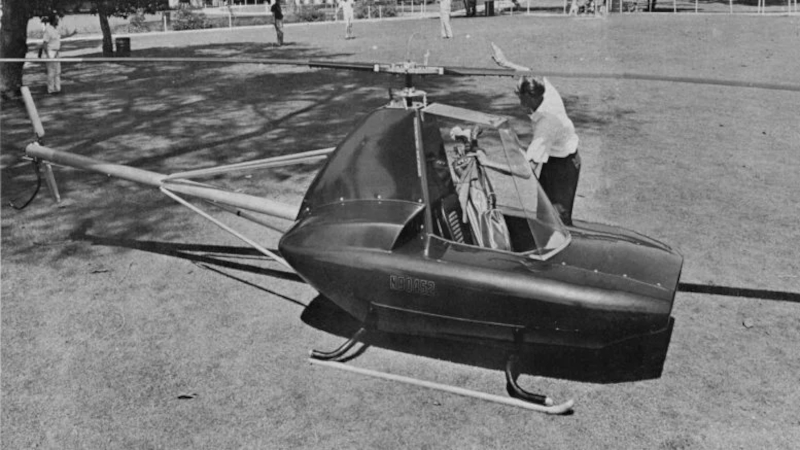
RotorWay Scorpion
First introduced in 1967, the Scorpion was designed primarily for the sport-flying enthusiast rather than the commercial aviation market, which influenced its popularity. Initially, it was intended to cost well under $10,000. The original Scorpion had a weight ranging from 1,200 up to 1,300 pounds. It was equipped with a standard gear reduction drive, and standard semi-articulated two-bladed rotor system, and had a single-person capacity. The name certainly matched the appearance.

RotorWay Scorpion II
Introduced in 1972 as an evolution of the earlier single-seat Scorpion model, the Scorpion II was built to accommodate two passengers, featuring an expanded fuselage and a fiberglass cabin enclosure. The initial models were powered by an Evinrude OMC 125 hp two-cycle engine. The RotorWay now started taking shape as a practical, two-seater helicopter, and became appealing to the average pilot. It was considered a serious mode of aerial transportation and viable helicopter.

RotorWay Scorpion 133
A key improvement was replacing the inefficient two-stroke engine. Unable to source a suitable four-stroke engine, RotorWay began manufacturing its own—the RW 133. This new engine provided the power and torque needed for the upgraded design, setting a precedent for RotorWay’s in-house innovation. The Scorpion 133 had a list price of $13,500, with a gross weight of 1,235 lb (560 kg), and a range of 130 nautical miles (79 nautical miles (146 km) with two people.

RotorWay Exec 90
In 1980, RotorWay launched the RW145 engine alongside the Exec helicopter, marking a significant shift in their design approach. The Exec was the first RotorWay helicopter to move away from the traditional “kit helicopter” appearance. Unlike earlier models, it featured a fully enclosed frame and engine, with a strong focus on enhancing the aircraft’s aesthetics. The Exec with new engine had a maximum payload of 400 pounds, and cruise speed of 113 mph (182 km/h).

RotorWay Exec 162F
In 1994, RotorWay revolutionised the Exec 90 by replacing its carburetted engine with a fuel-injection system featuring electronic ignition and dual FADEC (Full Authority Digital Engine Control). The resulting Exec 162F was award-winning and innovative, establishing RotorWay as a leader in experimental helicopters. Over the next decade, the 162F became the top choice for personal helicopter enthusiasts, offering safety, reliability, and unmatched performance. It’s still very popular.

RotorWay A600 Talon
As the successor to the Exec 162F, the eighth-generation A600 Talon represented decades of expertise and innovation. Featuring a shaft-driven tail rotor, higher and wider landing gear, an electric clutch, a cog-belt final drive, and a new glass cockpit, the A600 Talon became RotorWay’s most advanced helicopter to date. By 2017 the company just referred to it as the A600, dropping the Talon name from marketing materials. RotorWay was firmly established in the helicopter industry.

RotorWay A600 Talon Turbo
A turbocharged engine was added to the A600 Talon, providing increased power and hailed as revolutionary by pilots. With more developments on the horizon, RotorWay remained a leader in personal helicopter design. They announced a certified turbine model but this never materialized. The company fell into financial difficulty and all development ceased.

RotorWay RW7
In 2015 a new model was announced, but was cancelled. The financial difficulties worsened through 2018 and everything went downhill from there. In 2021 the factory location, designs and assets were purchased by a new company, Rotor X Aircraft Manufacturing, who hired many of the former employees and supplied kits. Since then the company continued to decline, and on 8 December 2024, the website went completely dark. Sadly, marking the end of the great RotorWay era.

AvioTecnica ES-101 Exec
Meanwhile, over in Europe, RotorWay had been going off on a turbine tangent since. In 1996 Teddi Rossi and his Italian team produced the ES101 Exec equipped with a turbine engine. This greatly enhanced the performance of the original RotorWay it was based upon. This created a whole new class of ultralight helicopter, with outstanding performance.

AvioTecnica ETA3
In 2004 AvioTecnica designed and produced a new experimental light helicopter called the ETA3. Entirely developed and built in Italy, it quickly set the standard for ultralight helicopters, and in 2015 it was put to the ultimate high-altitude test.

World Altitude Record
Simone Moro, an accomplished Italian helicopter pilot and alpinist, set a remarkable altitude record on November 12, 2015. He piloted his AvioTechnica ES101 Raven helicopter to an altitude of 6,705 meters (21,998 feet), surpassing the previous record for turbine rotorcraft in the E-1a category, which had stood since 1953 at 4,789 meters (15,711 feet).
AvioTecnica ES-101 Raven
Based on the RotorWay Exec design, and equipped with the Solar T-62T-32 turbine, it gave the Rotorway the performance and efficiency it lacked under piston power. Purists will argue that it’s not a RotorWay without pistons, but the evolution of the RotorWay models started with just 40HP. It’s all about the engines, and with 150HP, it’s the pinnacle for the RotorWay.

Alpi Syton AH 130
In 2008 the ES-101 Raven design was acquired by Alpi Aviation and further developed. It seemed promising for a while that this helicopter will go from strength to strength. However, like RotorWay, they have hit financial headwinds, and by 2024 it seems that Alpi Aviation is not going to survive. There must be a way to preserve the great legacy of RotorWay.

RapidSky VF2
RapidSky Aviation Solutions was established to find the smartest way from A-Z. Helicopters obviously come under close consideration, and when we looked around, the RotorWay quickly came into view. There had to be a way in which we could build on this long legacy, and make it even better. There did not seem to be the need to re-invent the proverbial wheel. We consolidated nearly seven decades of helicopter development, and brought to market, the RapidSky VF2.
Vertical Fly – Famiglia Giovanardi
The secret to the success of the RapidSky VR2 lies in the heart of Piedmont, Italy. There resides a family that services RotorWay, ES101 Raven, and Syton AH130 helicopters for the past 40+ years. Not only do they know every bolt, they have reverse-engineered the entire helicopter, from skids to rotors, including the turbine itself. Totally produced in-house, with dedicated technical support. The level of Giovanardi engineering excellence is modestly hidden, but we will be shining a deserving light on the road from RotorWay to RapidSky. The Arizona dreams of B.J. Schramm, are alive and well, in Italy.
“When RapidSky decided to enter the helicopter market, we realized there are no shortcuts to safe vertical flight. After careful consideration and serious study, we found the most prudent path would be to tread in the successful steps of others. Starting with a proven design, perfected over many decades, and manufactured to the highest engineering standards. The RotorWay pedigree and Vertical Fly expertise fits in well with RapidSky. Our goal is to find the smartest, and safest way from A-Z.”
Herby Olschewski
RapidSky Founder & CEO
Click Here To Explore the RapidSky VF2
.
RapidSky Unveils Affordable, Composite Helicopters
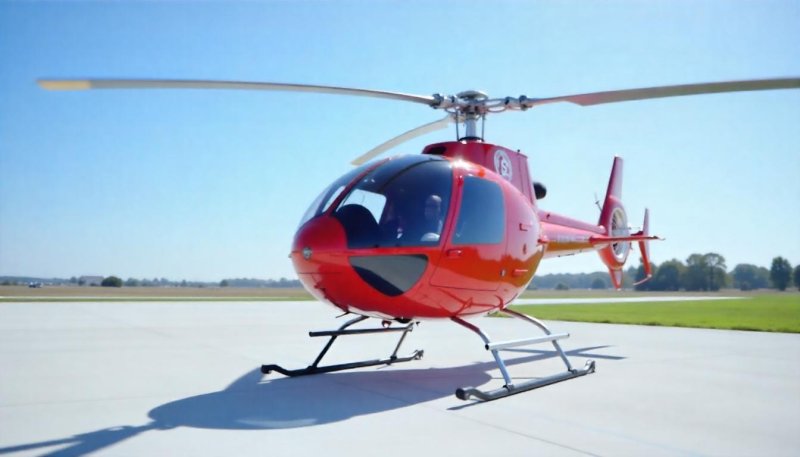
RapidSky has introduced its newest range of composite helicopters, delivering on affordability, efficiency, and high performance. The new H-series includes six models tailored to suit a wide range of needs, from initial training, VIP passenger transport to utility work and amphibious leisure. With advanced composite construction and innovative avionics, RapidSky aims to put high-quality helicopters within reach of more operators and pilots than ever before.
.
The fleet includes the following models:
- RapidSky H2: A nimble two-seater, ideal for training, sport flying, patrol, and nature conservation work.
- RapidSky H2o: A two-seater amphibious helicopter designed for leisure activities and versatile utility tasks.
- RapidSky H4: A luxurious four-seater VIP transport, equipped with high-end interiors for passenger comfort.
- RapidSky H5: A five-seater for optimal passenger, cargo transport, utiltiy and multi mission VTOL capabilites.
- RapidSky H6: A six-seater twin-engine turbine helicopter, focused on VIP luxury and ultimate passenger comfort.
- RapidSky H8: An eight-seater twin-engine turbine helicopter, designed for passenger, utility and cargo transport.
Designed to Meet Market Needs
In developing this range, RapidSky sought to address some of the biggest pain points faced by the helicopter industry. Traditional helicopters are often prohibitively expensive, with many models out of reach for average pilots and smaller operators. Additionally, delivery times are notoriously lengthy, stretching into years and even decades. With the high maintenance demands of legacy helicopters, many organisations found themselves struggling to secure reliable VTOL.
RapidSky’s solution was to go back to the drawing board, crafting a modern, clean-sheet design and focusing on new composite materials to create a lighter, more efficient, and cost-effective helicopter. “We’ve taken on the challenge of making vertical lift accessible and affordable,” explains RapidSky’s CEO, Herby Olschewski. “This range of helicopters is designed not only to perform but also to bring real value in both initial acquisition costs and long-term maintenance.”
Key Features of the RapidSky H-Series
RapidSky’s helicopters are exceptionally equipped, boasting a suite of advanced features that enhance both pilot control and luxury passenger comfort, making them ideal for varied mission profiles. Key features across the H-series include:
- Composite Construction: Lightweight and durable, reducing both overall weight and maintenance requirements.
- Advanced Digital Avionics: Equipped with standard 4-axis autopilot and articulating rotor heads for a more stability.
- Multiple Engine Options: A choice of unleaded, diesel, or Jet A-1 turbine engines, allowing operators total flexibility.
- Luxury Interiors: High-end leather interiors and air conditioning as standard, providing a comfortable experience.
- High Altitude Performance: All engines are turbocharge to allow operation above 10,000 feet in 30+ degree heat.
- Versatile Mission Profiles: Suitable for a wide variety of missions, diverse environments and demanding missions.
- Cost-Effective Operation: Competitive pricing, and composite construction reduces acquistion and maintenance.
Affordability Without Compromise
RapidSky’s radical clean-sheet approach to helicopter design has allowed the company to incorporate high-performance materials and modern features while keeping costs low. The result is a unique fleet that brings the benefits of helicopter ownership within reach of a broader market without sacrificing quality or reliability. Whether for VIP passenger transport, amphibious operations, or cargo hauling, these helicopters offer a variety of configurations to meet operational needs.
By focusing on composite materials, advanced avionics, and flexible fuel options, RapidSky is delivering a solution that meets the demand for agile, cost-effective, and reliable helicopters in a market previously dominated by prohibitively expensive legacy models. Drastically cutting down lead times from placing an order, to putting the helicopters into use.
The Future of Vertical Lift
The RapidSky H-series marks a new standard for helicopter design, making vertical lift more accessible and versatile than ever before. With its focus on affordability, ease of operation, and fast delivery, RapidSky has positioned itself as a key player in transforming the helicopter market. For organisations and pilots looking for a combination of performance, versatility, and cost-effectiveness, the H-series is set to be a game-changer.
For more information, visit RapidSky at https://rapidskyhelicopters.com
Please be so kind as to share this post in your social circles...
Flying with Dinosaurs: We are Overdue for Modern Engines
The world of general aviation has long been powered by fossil fuel burning engines—old designs that date back many decades and have seen little change since their inception. For years, these engines have been the backbone of private and commercial aircraft, powering everything from small fixed-wing planes to commercial rotorcraft. However, as the world moves towards greener and more sustainable technologies, it’s becoming increasingly clear that these old workhorses are far from ideal. Burning leaded fuels like avgas, these engines are not only environmentally unfriendly but also pose health risks to people. The time has come to modernise aviation propulsion systems and replace these dinosaurs with efficient, contemporary engines that can run on unleaded, biofuels, and other eco-friendly alternatives. It can easily be done.

Rotorcraft: Heavily Dependent on Fossil Fueled Engines
It will be some time yet, before electric engines can supply the necessary power needed by helicopters, not to mention endurance. Battery technology is not there yet, and the weight of batteries are a deal breaker, when it comes to VTOL.

Legacy Engines: A Lingering Relic of the Past
Many aircraft engines in use today are based on designs that haven’t fundamentally changed since the mid-20th century. These engines, often praised for their reliability and simplicity, are built on technology that dates back to an era when fuel efficiency and environmental impact were hardly considerations. The most common type, the horizontally opposed piston engine, is a perfect example of this legacy. Rugged and dependable, these engines have served generations of pilots well, but they are also the largest single source of lead emissions around the world. Environmentalists are sounding the alarm.
Leaded aviation gasoline, or avgas, is the primary fuel used in these engines. While the automotive world abandoned leaded fuels decades ago, general aviation has been slow to follow suit. Avgas still contains tetraethyl lead, a highly toxic substance that helps prevent engine knock but also contributes to air and soil pollution, not to mention the direct health risks associated with lead exposure. As the push for greener technology intensifies, the aviation industry must confront the uncomfortable truth: we can’t continue to ride these old dinosaurs if we want to protect our planet and our health.
The Call for Modernisation: New Engines for a Modern Era
The obvious solution lies in modern engine designs that not only enhance performance but also significantly reduce environmental impact. New powerplants, such as the Adept Engines, Powerm JE04 and the RapidSky RT400 Turbine, are at the forefront of this change, offering advanced technology that can run on unleaded, biofuels, diesel and all jet fuels. These engines represent a fundamental shift in how we think about aviation propulsion, a pathway to cleaner flight.
Adept Engines: Embracing Unleaded and Biofuels

Adept Engines is leading the charge with a range of modern, compact, and highly efficient engines that burn unleaded fuels and biofuels. These designs are a stark contrast to the heavy, outdated legacy engines that dominate general aviation. They feature modern materials, fewer moving parts, and advanced fuel management systems, improves fuel efficiency and drastically reduce emissions. Adept’s engines are specifically designed to run on unleaded avgas and a range of biofuels, providing a greener alternative without sacrificing performance. These engines are lightweight, powerful, and versatile, making them ideal for modern aircraft that demand both reliability and environmental responsibility. By embracing biofuels, Adept is helping to reduce the aviation industry’s carbon footprint overall.
Purepowerm: Versatile Diesel Hybrid Engines

P2M offers a range of advanced engines designed for high efficiency and performance. Their diesel engines feature cutting-edge technology, including enhanced fuel efficiency, reduced emissions, and improved durability. Purpowerm’s commitment to innovation ensures that their engines meet the demands of various industries while adhering to environmental standards. With a focus on reliability and technological advancement, these hybrid engines stand out in the aviation industry. The engines are assembled by Stelantis, using the latest eco-friendly factory facilities.
RapidSky RT400 Turbine: Power, Efficiency, and Flexibility

For those looking for a more robust and versatile power solution, the RapidSky RT400 Turbine offers a compelling option. This modern turbine engine, with a power range of 200-400 horsepower, is engineered to burn diesel, jet fuel, and even paraffin, making it one of the most flexible engines on the market today. The RT400’s ability to run on multiple fuel types allows operators to choose the most efficient and environmentally friendly option available, adapting to different operating conditions and fuel availability. The RT400 Turbine’s design focuses on efficiency and performance, utilising a lightweight, compact architecture that delivers exceptional power-to-weight ratios. Its centrifugal flow and multi-stage power turbine provide smooth and reliable operation, making it a perfect fit for both fixed-wing aircraft and helicopters. The RT400 represents the next step in aviation propulsion, bridging the gap between pistons and the all-electric future..
RapidSky Aviation Solutions: Leading the Charge for Engine Modernisation
Recognising the need for change, RapidSky Aviation Solutions is making a concerted effort to promote and implement these modern engines into the aircraft they market, sell, and support. RapidSky is committed to sourcing, selling, and installing engines like the Adept and RT400 into a range of aircraft, offering pilots and operators a chance to upgrade to cleaner, more efficient propulsion systems. Through partnerships with engine manufacturers and a focus on sustainable aviation practices, RapidSky is helping to drive the transition away from outdated, lead-burning engines. The company’s mission is not only to improve aircraft performance but also to lessen aviation’s environmental footprint. By providing modern engine solutions, RapidSky is helping pilots make responsible choices that align with the greener future.
Balancing Innovation with Reality: The Road Ahead
While the promise of electric aviation is captivating the industry, the reality is that we are still some 20 years away from widespread adoption of electric motors in general aviation. Battery technology, range limitations, and infrastructure challenges mean that fossil fuel-burning engines will continue to play a significant role in aviation for the foreseeable future. However, this doesn’t mean we should stick with outdated technologies. The key lies in responsible innovation—adopting modern engines that are designed to be as clean and efficient as possible. By switching to engines that can run on unleaded, biofuels, and diesel, we can significantly reduce harmful emissions and pave the way for a more sustainable aviation sector. The next two decades will see a transitional period where modern internal combustion engines coexist with emerging electric technologies, and it’s crucial that we make this transition responsibly. There is no Planet B.
Conclusion: The Time for Change is Now
Riding on the legacy of old engine designs is no longer sustainable, nor is it responsible. The aviation industry has a responsibility to evolve, embracing new technologies that reduce environmental impact without compromising on safety or aircraft performance. Engines like the Adept, P2M and RapidSky Turbine are at the forefront of this change, offering versatile, powerful, and environmentally friendly alternatives to the outdated engines of the past. RapidSky Aviation Solutions is proud to be part of this revolution, providing modern engines that help pilots and operators make the switch to cleaner aviation. As we move towards a greener future, the time has come to leave the dinosaurs behind and embrace the new age of aviation propulsion—one that prioritises sustainability, efficiency, and responsibility. With the right engines powering our aircraft, the skies will be cleaner, and the future of aviation will be brighter than ever before.
Click here for modern engine alternatives!
Please be so kind as to share this post in your social circles...
Navigating The Complexities Of Helicopter Acquisition
The helicopter market today is more dynamic and diverse than ever before, offering a plethora of options that cater to varying needs, tastes, and budgets. Whether you’re looking at brand new, second-hand, certified, experimental, or even futuristic models, the choices can seem overwhelming. However, this diversity also brings potential pitfalls, especially for commercial operators who need reliable aircraft for their business operations. For private owners, this may be a once in a lifetime purchase. Choosing the wrong helicopter can lead to a loss of business, reputational damage, and financial strain, or even total ruin. Therefore, it is crucial for buyers to carefully evaluate all their options and make informed decisions.

Understanding the Market: A Wide Range of Choices
The helicopter market is brimming with opportunities, catering to a wide spectrum of buyers. From brand-new helicopters boasting the latest technology and comfort features to second-hand options that offer great value, there is something for everyone. Additionally, there are certified models that adhere to stringent aviation standards, alongside experimental helicopters that push the boundaries of what’s possible in rotorcraft design. However, the market doesn’t stop there. Futuristic helicopters, often marketed with bold claims of revolutionising the aviation industry, are becoming increasingly prominent. These models promise advanced capabilities, from increased fuel efficiency to elevated speeds and enhanced safety features. While the allure of cutting-edge technology can be hard to resist, it’s wise for buyers to tread carefully.

The Role of Quality Publications in Helicopter Selection
Navigating the vast array of helicopter options requires reliable information sources. Quality publications, such as AvBuyer, play a pivotal role in helping buyers make informed decisions. These magazines not only provide in-depth analyses of various helicopter models but also carry advertisements from reputable manufacturers and dealers. By leveraging the insights offered by trusted publications, potential buyers can gain a clearer understanding of what’s available in the market and which models align with their specific needs. However, even with the best research, the process of selecting the right helicopter can be fraught with challenges, especially for those unfamiliar with the industry.

The Risks of Poor Decision-Making
For commercial operators, the consequences of choosing the wrong helicopter can be dire. A bad decision can result in unreliable aircraft that suffer frequent downtime, higher maintenance costs, or worse, an aircraft that fails to meet the operational requirements of the business. This can lead to cancelled flights, dissatisfied clients, and ultimately, a loss of business. Commercial helicopter travel can be expensive and profit margins slim. Accounting pencils need to be sharp.
In the private sector, one of the most significant risks lies in the allure of futuristic helicopters. Some naive buyers, enticed by the promise of groundbreaking technology and the prestige of owning the latest model, place an order for helicopters that don’t yet exist. These helicopters are often still in the concept or prototype phase and may face years of development before reaching production—if they ever do. Many new projects encounter technical, financial, or regulatory hurdles that cause delays or, in some cases, result in the project being abandoned altogether. Some are simply whacky and unrealistic.

Beware of Helicopter Promises that May Never Materialise
The excitement surrounding futuristic helicopters is palpable. Sleek designs, next-generation avionics, and promises of eco-friendly operations appeal to both private owners and commercial operators alike. Yet, history has shown that not all promises materialise. Buyers who commit to these aircraft early often find themselves waiting for years as manufacturers struggle to bring their visions to life. This can cause significant disruption, especially for commercial operators who need their helicopters to be operational and earning revenue as soon as possible. Private buyers often lose their life savings.

In some unfortunate cases, these futuristic projects never make it past the drawing board. Manufacturers may run into insurmountable technical difficulties or face financial constraints that force them to cancel the project. For many buyers, this means losing not just their initial deposit but also valuable time and potentially lucrative business opportunities.
Key Considerations for Buyers: Stay Grounded and Informed
Given the high stakes involved, buyers are advised to give their helicopter purchase careful consideration. Here are some essential tips to help navigate the buying process:
- Consult with Industry Experts: Working with experienced consultants who understand the helicopter market can provide invaluable guidance. These experts can help identify which models are suitable for your specific needs and provide insight into the reputations of various manufacturers.
- Keep It Real: While the appeal of futuristic models is understandable, it’s important to focus on what’s currently available and proven. Established models with a track record of reliability are often a safer bet, especially for commercial operators who need dependable aircraft.
- Use an Escrow Company: To protect your financial interests, consider using an escrow company during the purchasing process. This ensures that funds are only released when all contractual obligations are met, adding a layer of security to your investment.
- Scrutinise the Fine Print: If you are considering a helicopter that is still in development, be sure to scrutinise the contract terms carefully. Pay attention to clauses regarding delivery timelines, refund policies, and what happens if the project is delayed or cancelled.
- Conduct Thorough Due Diligence: Investigate the manufacturer’s track record and financial stability. This is particularly important when dealing with newer companies or those promoting experimental or futuristic designs. Understanding their past successes—and failures—can provide a clearer picture of the potential risks involved.

Closing the Deal: The Joy of Ownership
Once you have navigated the complexities of helicopter acquisition and closed the deal, you can finally enjoy the fruits of your efforts. Whether your new helicopter is a state-of-the-art model fresh from the factory floor or a well-maintained pre-owned aircraft, the joy of ownership is unmatched. The versatility, convenience, and prestige of owning a helicopter make all the effort worthwhile, especially when the purchase has been made wisely. A good return on investment.
Conclusion
The helicopter market offers a wealth of opportunities for buyers, but it can also present significant challenges, particularly when it comes to assessing the viability of futuristic models. Making a well-informed decision is crucial, especially for commercial operators whose businesses depend on reliable aircraft. By consulting with industry experts, conducting thorough due diligence, and staying grounded in reality, buyers can navigate the market’s complexities and secure a helicopter that meets their needs. With the right approach, your helicopter purchase can be a very rewarding experience, providing you with the freedom and flexibility that only safe rotorcraft can offer. The time to buy is now.
Please be so kind as to share this post in your social circles...
The Siege on Business Aviation: Echoes of Revolution and Travels
In recent times, the landscape of business aviation has encountered a tumultuous wave of scrutiny and criticism. The luxury and exclusivity of private jets, once symbols of success and efficiency, have come under fire from the public and politicians alike. Calls for the banning or heavy taxation of private aircraft have gained momentum, echoing sentiments of inequality and environmental concern. This modern-day upheaval against the elite means of travel draws a stark parallel to historical and literary instances of revolt against the established order, notably the French Revolution and the classic tale of “Gulliver’s Travels.”

A Modern Bastille: The Assault on Business Aviation
The clamour against private jets is not merely a debate on luxury or extravagance but a broader critique of inequality and environmental impact. Much like the storming of the Bastille, a fortress symbolizing royal authority and oppression, the attack on business aviation represents a direct challenge to the fortresses of modern elitism and the carbon footprint left by their indulgences. The narrative is compelling—a public uprising against the perceived excesses and insensitivities of the elite, with private jets serving as the modern-day Bastilles, fortresses of wealth and privilege under siege.
The infamous phrase attributed to Marie Antoinette during the French Revolution, “Let them eat cake,” symbolizes the disconnect between the elite and the struggles of the common people. Similarly, the luxury of private aviation, amid global environmental crises and social inequalities, strikes many as a modern parallel to the queen’s alleged apathy. It highlights a perceived insensitivity to the plights of the many by the indulgences of the few, fostering a groundswell of resentment and calls for drastic measures.

Gulliver in the Land of Modern Aviation
The backlash against business aviation also finds a parallel in “Gulliver’s Travels” by Jonathan Swift, particularly Gulliver’s encounter with the Lilliputians. Despite his benign intentions, Gulliver is met with suspicion and hostility by the diminutive inhabitants, who cannot comprehend his scale and intentions. This literary analogy reflects the public’s perception of the business aviation industry—viewed as a Gulliver among Lilliputians, its sheer scale and the detachment of its users from the realities of everyday life provoke fear, misunderstanding, and antagonism.
The viciousness with which the Lilliputians attack Gulliver, binding him and plotting his downfall, mirrors the intensity of the current discourse surrounding private jets. The industry finds itself ensnared by a myriad of proposed regulations and punitive measures, much like Gulliver’s bindings, as society grapples with reconciling the benefits of business aviation with its broader impacts.

Navigating the Turbulence: A Path Forward
The parallels between the siege on business aviation and historical and literary revolts offer valuable insights into the dynamics of power, privilege, and perception. They underscore a fundamental tension between the aspirations and achievements of the few and the welfare and sentiments of the many. As the industry navigates this turbulence, it faces a critical juncture that demands reflection, adaptation, and perhaps a redefinition of its place in a rapidly changing world.
Addressing the environmental concerns head-on, through investment in sustainable aviation technologies and practices, is paramount. The industry must lead in the transition to low-emission fuels, energy-efficient designs, and carbon offset programs, thereby aligning its growth with the global imperative of environmental stewardship.
Simultaneously, fostering greater understanding and transparency about the economic and social benefits of business aviation could help bridge the chasm of perception. Highlighting its role in connecting remote areas, supporting disaster relief efforts, and driving economic activity can illustrate the broader value of private aviation beyond the luxury and convenience it offers to its direct users.
Conclusion: From Revolt to Resolution
Just as the storming of the Bastille marked a turning point in French history, and Gulliver’s experiences in Lilliput offered reflections on human nature and society, the current scrutiny of business aviation could herald a transformative moment. By embracing sustainability, fostering understanding, and demonstrating its value beyond the confines of luxury, the industry can turn the tide of public opinion and ensure that its legacy is not one of excess and insensitivity, but of innovation, responsibility, and inclusivity in the face of modern-day revolutions.
Please be so kind as to share this post in your social circles...
The Impact of AI and the Enduring Value of Trade Shows
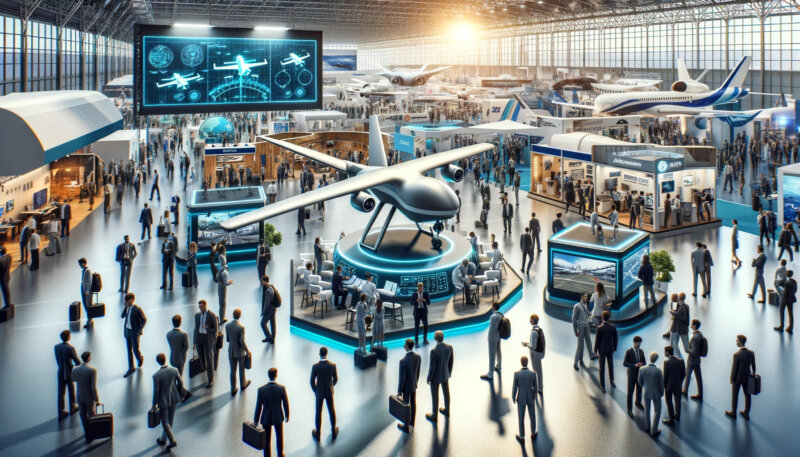
Even in an era defined by breathtaking innovation, the aviation industry remains a marvel, reshaped by human innovation and the continued quest for progress. True to form, the sector has seen artificial intelligence (AI) rise as a game-changing force, upending everything from design and manufacturing to operations and customer service. However, as aviation evolves in the digital age, traditional tenets of the realm — such as regional trade shows — sustain their gravity. These shows personify the irreplaceable role of in-person interactions in an increasingly digital world, underscoring the tactile and experiential elements that exist only in this analogue domain.
The AI Revolution in Aviation
The integration of AI is infusing the aviation sector with unparalleled efficiency, safety, and customization. Its role spans predictive maintenance algorithms that predict mechanical failures before they happen to AI-powered air traffic management systems that optimize flight paths to enhance fuel efficiency and safety. Simultaneously, the technology elevates the customer journey — delivering personalized travel recommendations and seamless self-service platforms that make the voyage as enjoyable as the destination.
But AI’s presence transcends operational enhancement; it has become indispensable in the design and test phases of new aircraft. It allows engineers to simulate nearly infinite scenarios and refine their design to an unprecedented level of accuracy. This convergence of human expertise and artificial intelligence shatters the constraints of innovation, taking the technology of aviation to heights once deemed impossible.

The Unyielding Importance of Regional Aviation Trade Shows
Even as the digital wave upends the aviation sector, regional aviation trade shows remain vital. Far from relics of a bygone age, these events stand as vibrant breeding grounds of innovation, partnerships, and business growth. United, they serve as characteristically unique gatherings of industry leaders, manufacturers, suppliers, and enthusiasts — combining to create an environment primed for collaboration and discovery.
Arguably, however, the tangible experiences offered by trade shows remain unmatched. There is something indescribable about being able to sit in the cockpit, to run one’s hands over the smooth bodywork, to breathe in the air inside. In technology and engineering, these experiences forge connections and understanding that simply cannot be matched.
Moreover, the fact that manufacturers spend tens of millions of dollars to stage all this hardware is significant in and of itself. To bring one, let alone three, of these massive machines to any one of the multitude of trade shows a manufacturer might attend each year is no small feat. Each of these trips requires extraordinary manpower, resources and logistical machination to pull off. The dedication to bringing these wonders of engineering to the trade-only crowd says as loudly as anything else that this company is serious. Bringing a still-under-development aircraft — one literally still held together by duct tape — there’s a serious commitment going on in that booth.
In today’s tech-saturated world, there’s no underestimating the value of a face-to-face meeting. It won’t shock you to know that most of the business world, aviation included, still gets done in these meetings.

No virtual interaction can replicate a handshake in sealing a mutually agreeable deal; mere proximity makes for enhanced trust, understanding, even empathy. Humans are equipped with instinctual tools for reading facial and body languages, communicating and convincing face-to-face, in real time, uniquely designed as a species to do business this way.
The personal touch is irreplaceable in nuanced conversations that can pivot quickly from challenge to resolution — something that often gets lost in digital communication. These intangibles can carry news of new technologies, ideas of cooperation, the first inkling that the odd clearance for the width of a toilet can be the linchpin to close a deal that would have had your email ignored.
As the aviation industry continues its journey forward alongside AI and other digital technologies, it serves as a potent reminder that its own future lies in the delicate alchemy between the stunning advances of the digital age and the powerful, deeply human experiences they shore up. Indeed, aviation trade shows have become a bedrock of precisely such moments, where the physical and the digital complement one another, and AI innovations take their place beside a larger narrative infused with the human bonds of the industry and the sensory poetry of flight.

And that is the nut that the industry must continue to try to crack; not how to erase AI from the narrative of flight, but how to ensure that it is the most innovative, human-influenced and human-influencing possible. In this way, we can continue to demonstrate, innovate and connect in ways that are both about the profoundly human and the profoundly new, securing our place among the skies and the stars by a route that has always been known to carry us there.
But of this much, we can be sure. AI or not, the future of the aviation industry, the heady swirl of air shows, and the looming digital horizon beyond, will always be grounded in things that are the very opposite of ethereal. That is to say, even as we soar—the tactile, tangible, real in hand—are what truly give us wings.
Please be so kind as to share this post in your social circles...


